
Derating Genset Performance: Why Nameplate Capacity is a Lie
Introduction
Genset manufacturers list "nameplate capacity" under ideal conditions, but real-world conditions reduce output by 5%-25% or sometimes more. Failing to account for derating means you'll end up with either an undersized mining operation or overloaded gensets.
This is critical for sizing miners, calculating capex, and projecting revenue. This post teaches you to calculate actual usable power output.
Why Nameplate Capacity is Misleading
Nameplate Capacity Definition: Maximum power output under ideal conditions—sea level (0 ft altitude), 77°F (25°C) ambient temperature, perfect fuel quality (pure methane), and new equipment (0 operating hours).
Reality: Your site is NOT at sea level or 77°F. Your gas is NOT pure methane. Your equipment will age over time. Result: Actual capacity = Nameplate × (75%-95%).
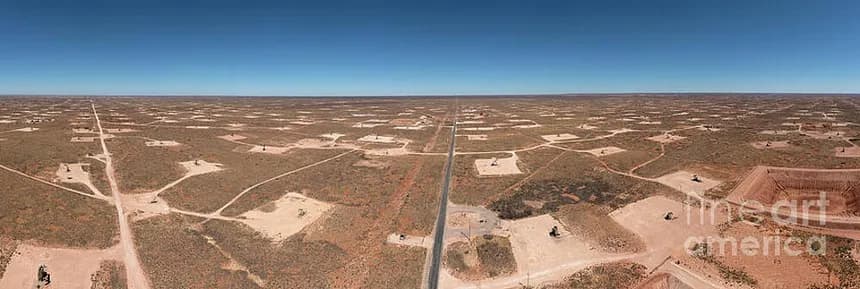
Example: Permian Basin Site:
- 2 MW (2,000 kW) nameplate genset
- Altitude derate: 10% (typical for 2,000-3,000 ft elevation)
- Heat derate: 10% (summer temps 100-110°F)
- Voltage conversion loss: 5% (genset voltage ≠ miner voltage, requires transformers)
- Total derate: 25%
- After derating: 1.5 MW actual usable power for mining
- Difference: 500 kW lost to environmental factors and electrical conversion
Note: If you were building a microgrid with voltage-matched equipment, you could avoid the 5% conversion loss. Most Bitcoin mining operations accept this inefficiency for flexibility.
The Three Major Derate Factors
1. Altitude Derating
Rule of thumb: 3-4% power loss per 1,000 feet of elevation. Air density decreases with altitude, which means less oxygen for combustion and therefore less power.
Key Insight: The Permian Basin (a common Bitcoin mining area) sits at ~2,000-3,000 ft elevation, meaning an automatic 6-12% derate before you even consider temperature or gas quality.
2. Temperature Derating
Rule of thumb: 1% power loss per 10°F above 77°F (25°C). Hot air is less dense, meaning less oxygen and reduced combustion efficiency.
Key Insight: Texas summers regularly hit 105°F+, so summer months can see 3-5% temperature derate. North Dakota winters (-20°F) may actually improve performance slightly.
Best Practice: Use 20-year average summer peak temperature for conservative modeling.
3. Gas Quality Derating
- Lower BTU content → less energy per cubic foot → less power output
- Poor fuel composition → incomplete combustion → efficiency loss
Gas Quality Derate Impact:
Gas quality derating calculations are complex and depend on multiple factors including:
- Wobbe Index (energy content per unit volume)
- Methane Number (resistance to engine knock)
- Total inerts (N₂, CO₂)
- Higher hydrocarbons (ethane, propane, butane)
- Engine manufacturer specifications
The calculations are sufficiently complex that we've built a tool for you:
Use our Gas Quality Calculator to:
- Upload your gas chromatography report
- Get instant derate estimate for your specific gas composition
- Understand impact on genset performance
- See if your gas quality is acceptable for your engine model
General Guidelines:
- Excellent gas quality (high methane, low inerts): 0-2% derate
- Good gas quality (pipeline spec): 2-5% derate
- Fair gas quality (some inerts, lower methane): 5-10% derate
- Poor gas quality (high inerts, low BTU): 10-20%+ derate (may require special engines or gas conditioning)
Key Insight: Wellhead gas varies widely in quality
- Pipeline gas: Usually consistent, minimal derate
- Associated gas from oil wells: Often lower quality, higher derate
- See the Gas Quality Analysis post for full details
Combined Derating: Real-World Example
Scenario: Permian Basin Bitcoin Mining Operation
- Location: Midland, Texas (2,000-3,000 ft elevation)
- Summer conditions: 100-110°F ambient temperature
- Gas source: Wellhead associated gas (good quality)
Genset Nameplate: 2,000 kW (2 MW)
Derate Factors:
- Altitude: 10% derate (2,000-3,000 ft elevation)
- Heat: 10% derate (100-110°F summer temps)
- Voltage conversion: 5% derate (480V genset → 220V/240V miners)
- Total derate: 25%
Result: 2 MW nameplate → 1.5 MW actual usable power for mining
Impact on Mining Capacity:
- Naive expectation: 2,000 kW ÷ 3.5 kW/miner = 571 Antminer S21s
- Reality with derating: 1,500 kW ÷ 3.5 kW/miner = 429 miners
- Difference: 142 fewer miners = 23 PH/s less hash rate
- This is 25% less mining capacity than nameplate suggests
Additional Derate Factors (Often Overlooked)
Voltage Conversion Loss (~5%)
- The Problem: Gensets typically output 480V 3-phase power
- Bitcoin Miners: Some miners require 415V input
- Solution: Transformers or power distribution units (PDUs) with voltage conversion
- Cost: ~5-10% efficiency loss in the conversion process
Why This Matters:
- On a 2 MW genset, 5% = 100 kW lost = ~29 fewer Antminer S21s
- This is a "hidden" derate that many operators miss in planning
- Microgrid alternative: Some large operations design voltage-matched systems to avoid this loss, but requires significant upfront engineering
Bottom Line: Budget for this loss unless you're building a custom microgrid with matched voltages
Aging and Wear
- Engines lose efficiency over time
- After 20,000+ hours: expect 1-3% performance degradation
- After major overhaul: returns close to nameplate
- Plan for gradual efficiency decline in long-term financial models
Humidity
- High humidity slightly improves combustion (more water vapor = cooling effect)
- Low humidity in deserts slightly reduces performance
- Impact: 0-2% typically (minor compared to altitude/temp/voltage)
Barometric Pressure
- Weather systems affect air density
- High pressure system: slight improvement
- Low pressure system: slight reduction
- Impact: 0-2% variation (usually negligible)
Continuous vs. Standby Duty
- Standby rating: Short-term peak power (emergency backup)
- Prime rating: Continuous operation (typical for Bitcoin mining)
- Continuous rating: Often 10-15% lower than standby rating
- ALWAYS use continuous/prime rating for Bitcoin mining
How to Calculate Derating for Your Site
Step 1: Determine Your Site Conditions
- Altitude: Use Google Maps or topographic maps
- Temperature: Get 20-year climate data for location
- Use summer peak temps for conservative estimate
- Or use annual average for balanced approach
- Gas Quality: Obtain gas chromatography report
Step 2: Consult Manufacturer Derating Charts
- Every genset OEM provides derate curves in technical specifications
- Examples: Caterpillar, Waukesha, MTU, Cummins
- Charts show altitude vs. temperature intersections
- Request gas-specific derate data from manufacturer
Step 3: Use Our Derating Calculator Tool
- Genset Derate Calculator
- Input:
- Site location (auto-populates altitude and weather info)
- Gas quality (from chromatograph)
- Output:
- Combined derate percentage
Step 4: Verify with Genset Supplier
- Send site conditions to genset vendor
- Request official derated capacity in writing
- Get warranty confirmation at derated output
- Ensure sizing accounts for ALL derate factors
Related Posts
- Genset Basics for Bitcoin Mining - Understanding genset types and pricing
- Gas Quality Analysis - Gas quality impacts derating significantly
- Financial Modeling for Bitcoin Mining - Derating affects both capex and revenue projections
- Maintenance & Operations - Overloading due to poor derating increases maintenance
- Complete Checklist for Launching Bitcoin Mining - Step 3 covers sizing with derating
Key Takeaways
- NEVER use nameplate capacity for sizing - always derate
- Expect 15-25% total derate for typical Bitcoin mining locations
- Altitude, temperature, and gas quality are the big three factors
- Permian Basin sites: 10-15% altitude and weather derate automatically
- Poor gas quality: Can add 10%+ more derate
- Use manufacturer derate curves + gas analysis for precise calculations
- Tool available: Genset Derate Calculator
- Conservative derating = reliability and warranty protection
- Underestimating derate = overloaded equipment and failures